

Thought leadership articles

America’s got talent. So why is there a talent shortage?
The Federal Reserve is a pretty good storyteller. And the Fed’s Beige Book gives us a snapshot of the U.S. economy with anecdotal information from businesses across the country. Today’s storyline is America’s major talent shortage. Why is this and how are businesses coping?
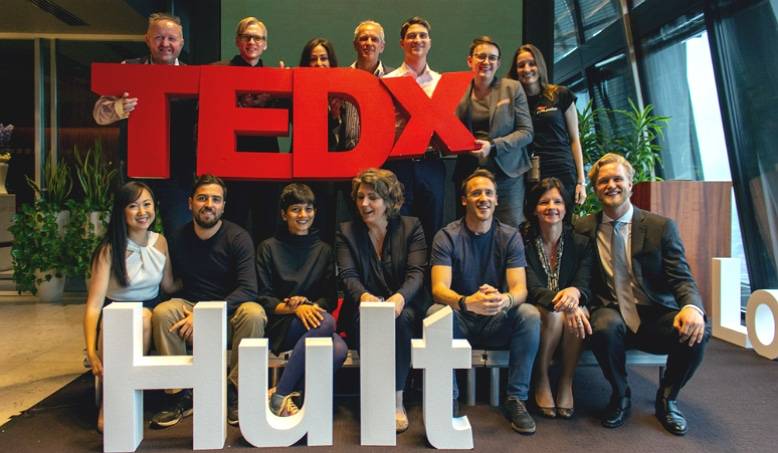
Shifting mindsets: A recap of TEDxHultLondon 2018
On April 28th, at the very tip top of the London skyscraper known as ͞The Cheesegrater͟, TEDxHultLondon unfolded with eleven inspiring and thought-provoking speakers. Theme of our event was "A Shift in Mindset." Find out more about the speakers and their message.

A new reality: The rise of the robots continues
New graduates starting a business career have plenty of challenges: landing a job, finding a place to live, scrambling to make rent—now it looks like they’ll need to add another worry to the list: competing with robots.

A three-step formula for rejuvenating family business in the age of complexity
Only a third of entrepreneurs who successfully launch are able to pass the baton to the second generation. And a mere single-digit percentage of those launchers ever get to enjoy the rites of passage to the third. So how can a family business thrive through the generations in today's complex work?

Want to be more gender-intelligent at work? Start here.
Gender Intelligence (GI) is about understanding, recognizing, and valuing the differences between men and women. Hult Professor Cari E. Guittard looks at the steps each of us can take to boost our GI and lead more effectively and inclusively.

How’s your social credit score?
Hult Professor Ali Fenwick looks at how companies and governments are utilizing online social ranking systems. What does your social credit score mean in today's digital world? And what are the consequences of engineering acceptable behavior through these systems?