

Archive
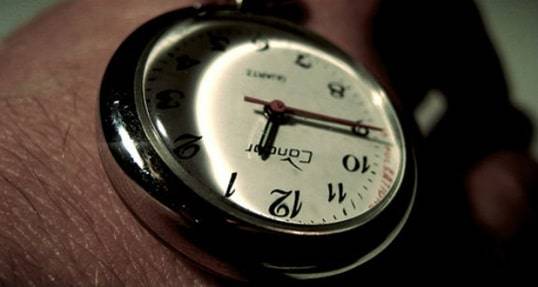
Tardiness, a Display of Disrespect or No Big Deal?
Even in prehistoric days when human beings hunted mastodons with stone-tipped wooden spears, a member of the tribe was probably late at some point, to something. Sure, the concept of time was not exactly what it is today, but punctuality – or lack thereof – is not exactly a “modern” phenomenon. This makes tardiness a very old, very perennial problem. And unless you are some kind of superhero with a knack for being on time, all the time, you have probably been late at some point, to something.

Getting Into Business School – Expert Advice
We recently had the opportunity to pick the brain of Marc Zeugner in the admissions office at the Hult International Business School.
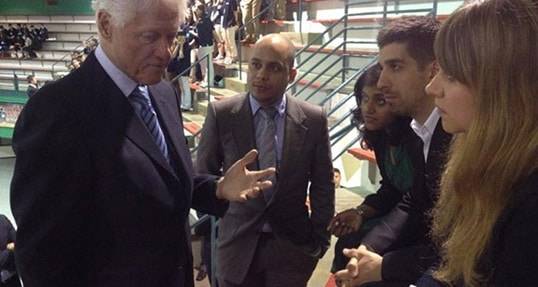
Hult students attend CGI U, Meet President Clinton
In April, five Hult students, one from each of our campuses, participated in President Clinton‘s annual Clinton Global Initiative University meeting and got to spend nearly 15 minutes in a private meeting with President Clinton and Chelsea Clinton.
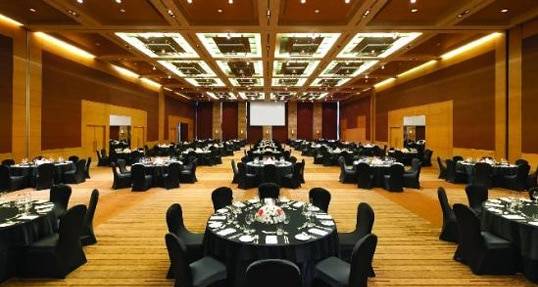
Hult to Host CSR Evening with Akanksha Hazari
MUMBAI, 10 April, 2013 -- Hult International Business School is proud to announce that one of India's leading social entrepreneurs and former Hult Prize winner Akanksha Hazari will be the keynote speaker at the school's first thought-leadership seminar in India.
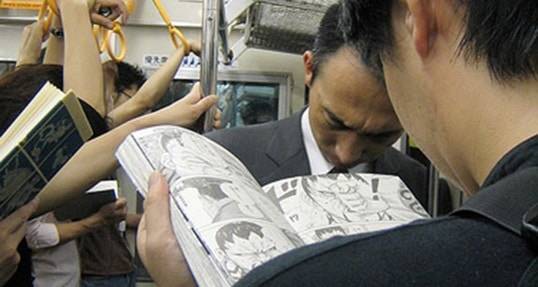
Let’s Retire the Term ‘Emerging Markets,’ Shall We?
The term “emerging markets” traditionally refers to countries or regions with inadequate economic welfare and structures. It’s also a label that is applied to economies that have in fact already…
The Growing Need for Local-Living Communities [Huffington Post]
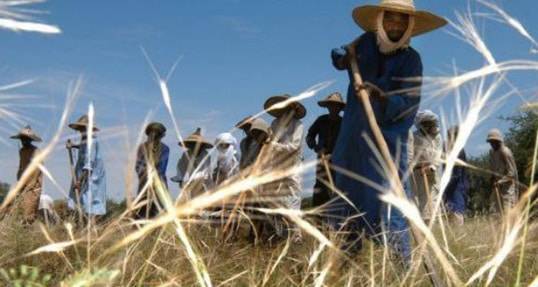
2008 is remembered primarily for the financial crisis which rocked the global market and sent many nations into turmoil, but that year also marked the emergence of an even more insidious and pervasive crisis onto the global stage. The food crisis made its presence known, beginning in 2005 and peaking in 2008, with an 80 percent increase in food prices, a rise not seen since the Soviet grain emergency of 1972-75.